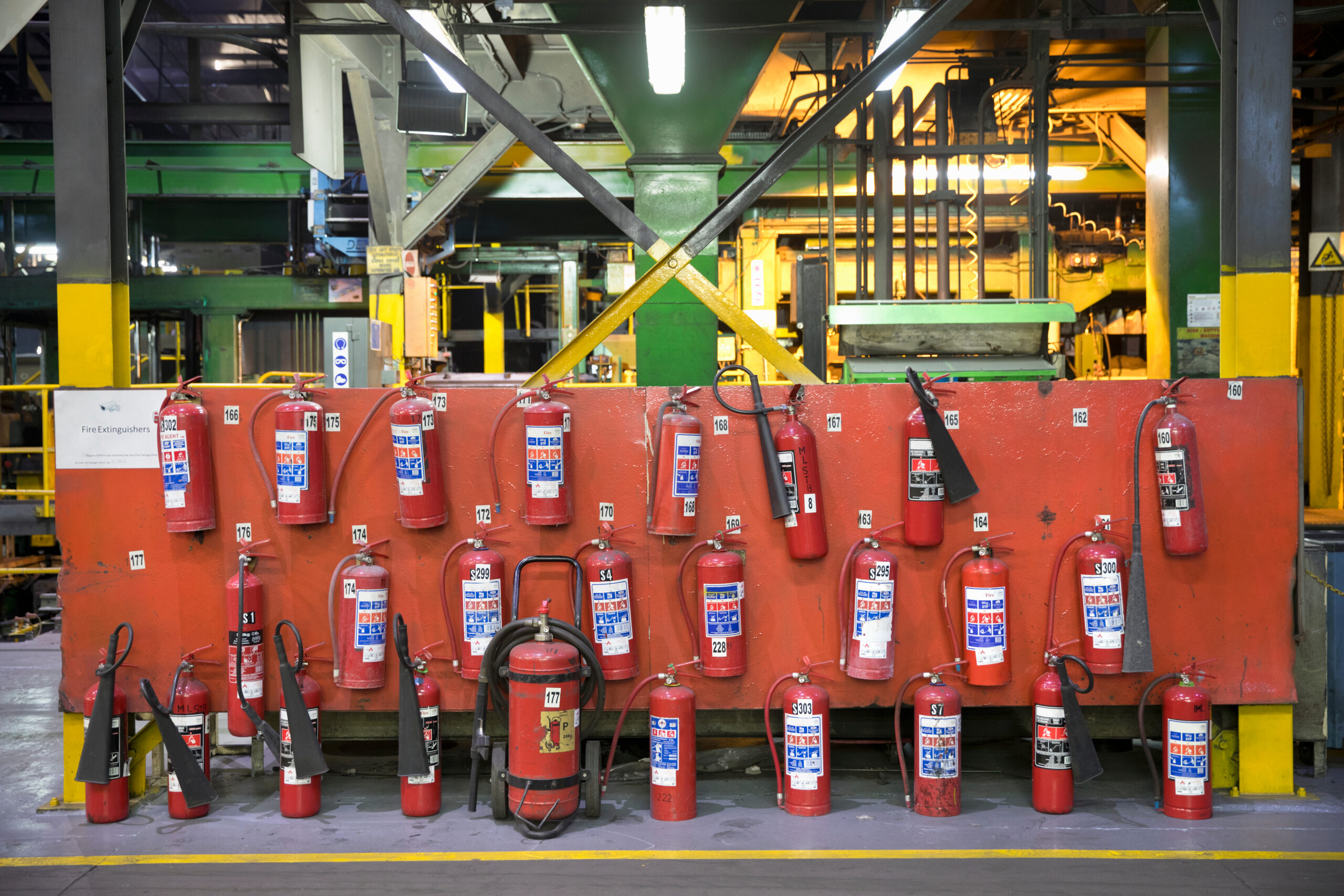
Fire fighting equipment plays a critical role in preventing the spread of fires and protecting lives, property, and infrastructure. These tools are designed to detect, control, and extinguish fires in their early stages before they escalate into large-scale emergencies. Fire equipment is commonly installed in residential buildings, commercial facilities, industrial plants, and public institutions as part of a comprehensive fire protection system.
Importance of Fire Fighting Equipment
Fire fighting equipment serves as the first line of defense during a fire incident. Early intervention using the correct equipment can significantly reduce fire damage and prevent injuries or fatalities. Properly installed and maintained fire safety equipment ensures that occupants have the necessary tools to respond quickly while emergency services are on the way.
Organizations are required to comply with safety regulations that mandate the installation of specific fire protection systems depending on building size, occupancy, and fire risk levels.
Types of Fire Fighting Equipment
Fire protection systems consist of multiple types of equipment designed to address different fire scenarios.
Fire Extinguishers
Fire extinguishers are portable devices used to extinguish small fires in their early stages. They contain different extinguishing agents depending on the type of fire they are designed to combat. Common types include:
Water extinguishers – suitable for Class A fires involving materials such as wood, paper, and textiles.
Foam extinguishers – effective for fires involving flammable liquids such as petrol or oil.
Dry powder extinguishers – versatile extinguishers used for multiple fire classes including electrical fires.
CO₂ extinguishers – commonly used for electrical equipment fires and flammable liquid fires.
Proper training is required to ensure individuals use extinguishers safely and effectively.
Fire Hose Reels
Fire hose reels provide a continuous supply of water to fight fires involving solid combustible materials. They are typically installed in commercial and industrial buildings and are connected to the building’s water supply system. Hose reels allow users to direct a steady stream of water toward a fire, helping to control it until professional firefighters arrive.
Fire Hydrants
Fire hydrants are external fire protection systems connected to underground water mains. They allow firefighters to access a reliable water supply during large fire incidents. Hydrants are commonly installed along streets, industrial facilities, and large complexes to ensure rapid access to water in emergencies.
Automatic Sprinkler Systems
Automatic sprinkler systems are designed to detect heat and automatically release water when a fire occurs. Each sprinkler head activates individually when the surrounding temperature reaches a predetermined level. This targeted response helps suppress fires quickly while minimizing water damage to unaffected areas.
Sprinkler systems are widely used in commercial buildings, warehouses, hospitals, and shopping centers.
Fire Alarm and Detection Systems
Fire detection systems play a vital role in alerting occupants of potential fire hazards. These systems include smoke detectors, heat detectors, and manual alarm stations. When a fire is detected, alarms are triggered to warn occupants and initiate evacuation procedures.
Advanced fire alarm systems may also automatically notify emergency response teams and activate suppression systems.
Maintenance and Inspection
Fire fighting equipment must be regularly inspected and maintained to ensure reliability during emergencies. Routine maintenance typically includes:
Checking pressure levels in fire extinguishers
Inspecting hoses and valves for leaks or damage
Testing alarm systems and detectors
Ensuring sprinkler systems are free from obstructions
Regular maintenance ensures that equipment remains fully functional and compliant with safety standards.
Training and Awareness
Having fire equipment available is only effective if people know how to use it properly. Fire safety training programs teach individuals how to identify fire hazards, operate fire extinguishers, and follow evacuation procedures. Organizations often conduct fire drills to reinforce preparedness and improve response times during real emergencies.
Conclusion
Fire fighting equipment forms a critical component of any fire protection strategy. From portable extinguishers to complex sprinkler systems, each piece of equipment plays a specific role in preventing fires from spreading and minimizing damage. By combining reliable equipment with proper maintenance and training, organizations and communities can significantly improve their ability to respond effectively to fire emergencies.